
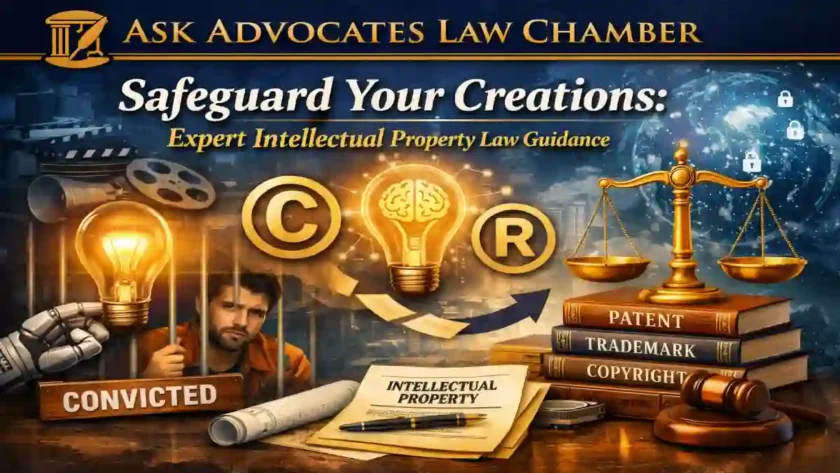
Expert Intellectual Property Law Guidance – Intellectual property creates business value, market recognition, and competitive advantage. Therefore, creators must protect innovations through proper legal mechanisms. Intellectual Property Rights include trademarks, copyrights, patents, designs, trade secrets, and geographical indications. Indian laws provide structured protection against infringement and unauthorized use. Businesses, startups, artists, software developers, and inventors frequently face intellectual property disputes. Relevant authorities include the Controller General of Patents, Designs and Trade Marks, Copyright Office, and enforcement agencies. Courts examine ownership, registration status, and infringement evidence carefully. Furthermore, legal protection enhances commercialization opportunities and licensing potential. Common legal issues include trademark infringement, copyright piracy, patent violations, counterfeiting, and cybersquatting. Jurisdiction may involve Commercial Courts, District Courts, High Courts, and appellate forums. Early registration strengthens legal rights significantly. Consequently, creators gain stronger protection against misuse while preserving long-term commercial interests.
Safeguard Your Creations: Expert Intellectual Property Law Guidance – Ask Advocates Law Chamber

Types of Intellectual Property Protection
Different intellectual assets require different legal protections. Therefore, rights holders should identify suitable registration strategies. Indian intellectual property laws recognize several categories of protection. Common categories include:
| IP Right | Protection |
|---|---|
| Trademark | Brand identity |
| Copyright | Creative works |
| Patent | Inventions |
| Design | Product appearance |
| GI Tag | Regional products |
Additionally, businesses may protect confidential information through contractual safeguards. Registration often strengthens enforcement capabilities. Lawyers evaluate ownership structures before filing applications. Furthermore, proper classification prevents future disputes. Government departments maintain separate registration systems for each category. Effective planning improves commercial value and legal certainty. Consequently, intellectual property becomes a valuable business asset capable of generating revenue and market growth.
Why Early Registration Matters
Registration provides important legal advantages. Although certain rights arise automatically, registration strengthens enforcement considerably. Businesses frequently lose rights through delay or negligence. Therefore, immediate action remains essential. Early registration helps establish ownership and priority. Key benefits include:
- Stronger legal protection.
- Better enforcement rights.
- Licensing opportunities.
- Increased business valuation.
- Enhanced investor confidence.
- Easier infringement action.
Additionally, registration deters potential infringers effectively. Courts often consider registration records during disputes. Government databases also provide public notice of ownership. Furthermore, proper filings reduce uncertainty regarding proprietary rights. Strategic registration planning supports long-term business objectives. Consequently, creators secure stronger legal positions against future challenges.
Trademark Registration and Brand Protection
A trademark distinguishes goods and services from competitors. Therefore, businesses should protect brand names, logos, slogans, and trade dress promptly. Trademark infringement may confuse consumers and damage goodwill. The Trade Marks Registry administers registration applications nationwide. Lawyers conduct searches before filing applications. Common disputes involve identical marks, deceptive similarity, and unauthorized commercial use. Relevant forums include Commercial Courts, High Courts, and appellate authorities. Furthermore, online infringement frequently affects brand owners. Businesses should monitor marketplaces and digital platforms regularly. Legal remedies include injunctions, damages, account of profits, and seizure orders. Strong trademark portfolios improve brand value significantly. Consequently, companies strengthen consumer trust while reducing infringement risks.
Copyright Protection for Creative Works
Copyright safeguards original literary, artistic, musical, dramatic, and software works. Creators obtain protection upon creation of eligible works. However, registration offers evidentiary advantages during disputes. Therefore, many rights holders pursue formal registration. Common copyright issues include piracy, unauthorized reproduction, digital infringement, and software copying. Courts assess originality, ownership, and infringement evidence carefully. Furthermore, electronic evidence receives evaluation under the Bharatiya Sakshya Adhiniyam, 2023. Relevant remedies include injunctions, damages, account of profits, and criminal prosecution. Police stations may investigate cognizable offences involving copyright violations. Proper documentation strengthens enforcement efforts considerably. Consequently, creators preserve economic rights and commercial opportunities while protecting intellectual contributions.
Patent Protection and Innovation Security
Patents encourage innovation by granting exclusive rights over qualifying inventions. Therefore, inventors should evaluate patent eligibility before public disclosure. Patent applications require novelty, inventive step, and industrial applicability. The Patent Office examines applications according to statutory requirements. Businesses often protect technological developments, manufacturing processes, and product innovations. Common disputes involve infringement, invalidity challenges, and licensing conflicts. Relevant forums include High Courts and specialized commercial jurisdictions. Furthermore, patent portfolios increase business valuation significantly. Legal support assists with drafting specifications and responding to examination reports. Strategic filing improves protection prospects considerably. Consequently, inventors secure exclusive commercial rights while encouraging innovation and investment.
Intellectual Property Infringement Issues
Intellectual property infringement causes financial and reputational losses. Therefore, rights holders should respond promptly upon discovering violations. Common infringement issues include:
• Counterfeit products
• Brand misuse
• Software piracy
• Unauthorized reproduction
• Patent violations
Additionally, online platforms frequently host infringing content. Evidence collection becomes crucial before commencing proceedings. Lawyers document violations through investigations and digital records. Courts examine ownership and infringement evidence carefully. Furthermore, enforcement strategies may involve civil and criminal remedies simultaneously. Proper action often prevents wider commercial damage. Consequently, rights holders preserve market position and proprietary interests effectively.
Legal Remedies and Enforcement Options
Indian law offers strong remedies against intellectual property violations. Courts may grant urgent interim protection where circumstances justify intervention. Therefore, timely legal action remains critical. Available remedies include:
| Remedy | Purpose |
|---|---|
| Injunction | Stop infringement |
| Damages | Recover losses |
| Seizure Orders | Preserve evidence |
| Anton Piller Relief | Secure materials |
| Account of Profits | Recover gains |
Additionally, rights holders may pursue criminal remedies where applicable. Police authorities can investigate offences involving counterfeiting and piracy. Commercial Courts frequently handle high-value disputes. Furthermore, mediation sometimes resolves conflicts efficiently. Effective enforcement protects business interests and intellectual assets. Consequently, creators maintain exclusive control over valuable innovations and brands.
Commercial Courts and Jurisdiction
Jurisdiction determines the appropriate forum for enforcement. Therefore, rights holders must evaluate territorial and pecuniary requirements carefully. Commercial Courts handle many intellectual property disputes involving commercial interests. High Courts exercise jurisdiction in significant matters and appeals. Common forums include:
- Commercial Courts.
- District Courts.
- High Courts.
- Appellate Authorities.
- Arbitration Forums.
Additionally, courts assess jurisdiction before addressing merits. Proper filing avoids procedural delays and objections. Lawyers determine suitable venues according to statutory provisions. Furthermore, strategic forum selection often influences case management efficiency. Effective jurisdictional planning strengthens litigation outcomes considerably. Consequently, rights holders pursue remedies through legally appropriate forums.
Role of BNS, BNSS and BSA in IP Enforcement
Modern intellectual property enforcement sometimes involves criminal proceedings. The Bharatiya Nyaya Sanhita, 2023 addresses offences involving deception, forgery, and related misconduct. Investigation procedures follow the Bharatiya Nagarik Suraksha Sanhita, 2023. Evidence assessment occurs under the Bharatiya Sakshya Adhiniyam, 2023. Therefore, rights holders should preserve records carefully. Digital evidence often plays a decisive role. Police authorities may investigate counterfeit operations and piracy networks. Furthermore, coordinated civil and criminal strategies strengthen enforcement effectiveness. Lawyers ensure compliance with procedural requirements. Proper evidence management supports successful legal action. Consequently, rights holders improve enforcement outcomes against serious infringement activities.
Intellectual Property Legal Support Services
Professional legal support enhances intellectual property protection significantly. Ask Advocates Law Chamber assists clients across registration, enforcement, licensing, and litigation matters. Services commonly include:
• Trademark registration
• Copyright registration
• Patent guidance
• Licensing agreements
• Infringement actions
Additionally, lawyers conduct due diligence and portfolio management. Businesses receive strategic advice regarding commercialization opportunities. Courts and authorities expect compliance with procedural requirements. Furthermore, professional representation improves enforcement effectiveness. Tailored legal solutions address industry-specific concerns efficiently. Consequently, creators, startups, and enterprises protect valuable intellectual assets with confidence.
Why Choose Ask Advocates Law Chamber
Ask Advocates Law Chamber provides comprehensive intellectual property solutions for creators and businesses. Our team handles trademarks, copyrights, patents, designs, licensing, and enforcement matters. Furthermore, we represent clients before Commercial Courts, High Courts, tribunals, and government authorities. Every matter receives detailed legal analysis and practical guidance. Strong documentation improves protection and enforcement prospects significantly. We assist with registrations, objections, oppositions, and infringement proceedings. Therefore, clients receive end-to-end legal support. Strategic planning reduces risks and strengthens commercial value. Effective advocacy remains central to our practice approach. Consequently, clients secure stronger protection for innovations, brands, and creative works.
FAQs
What intellectual property rights protect a business brand?
Trademark registration protects names, logos, slogans, and other distinctive brand identifiers from unauthorized use.
Is copyright registration mandatory in India?
No. Copyright arises automatically. However, registration strengthens ownership proof during disputes and enforcement actions.
How long does trademark protection last?
Trademark registrations generally remain valid for ten years and allow unlimited renewals.
Can police act against counterfeit products?
Yes. Authorities may investigate counterfeiting and piracy offences where statutory requirements exist.
What remedies exist for intellectual property infringement?
Courts may grant injunctions, damages, profit recovery, evidence preservation orders, and other appropriate relief.
Why should startups protect intellectual property early?
Early protection secures ownership, attracts investors, increases valuation, and prevents costly future disputes.
Read More
- Protect Your Innovations: Trusted Intellectual Property Legal Services
- Strategic Legal Counsel for Corporate Formation and Operations
- Comprehensive Corporate Legal Solutions for Entrepreneurs and Businesses
- Navigating Corporate Law: Ensure Compliance and Success for Your Business
- Expert Corporate Legal Services: Form, Operate, and Grow Your Business Safely
- Controller General of Patents, Designs & Trade Marks (CGPDTM)