
Proven Track Record in Criminal Defense - Criminal defense safeguards constitutional rights from investigation through trial and appeal. Moreover, experienced advocates ensure every procedural safeguard receives proper attention. The Bharatiya Nyaya Sanhita, 2023, Bharatiya Nagarik Suraksha Sanhita, 2023, and Bharatiya Sakshya Adhiniyam, 2023 now govern substantive offences, criminal procedure, and evidence. Courts expect lawful investigation and fair prosecution throughout criminal proceedings. Consequently, timely legal representation prevents avoidable procedural errors and protects personal liberty. Criminal defense commonly covers arrest, anticipatory bail, regular bail, police investigation, cybercrime, financial offences, assault, theft, cheating, forgery, domestic violence, narcotics, white-collar crime, economic offences, and corporate criminal liability. Jurisdiction may involve Police Stations, Judicial Magistrate Courts, Sessions Courts, Special Courts, High Courts, and the Supreme Court. Professional advocacy improves defense strategy while preserving constitutional and statutory rights during every procedural stage.
Proven Track Record in Criminal Defense: Get the Representation You Deserve - Ask Advocates Law Chamber
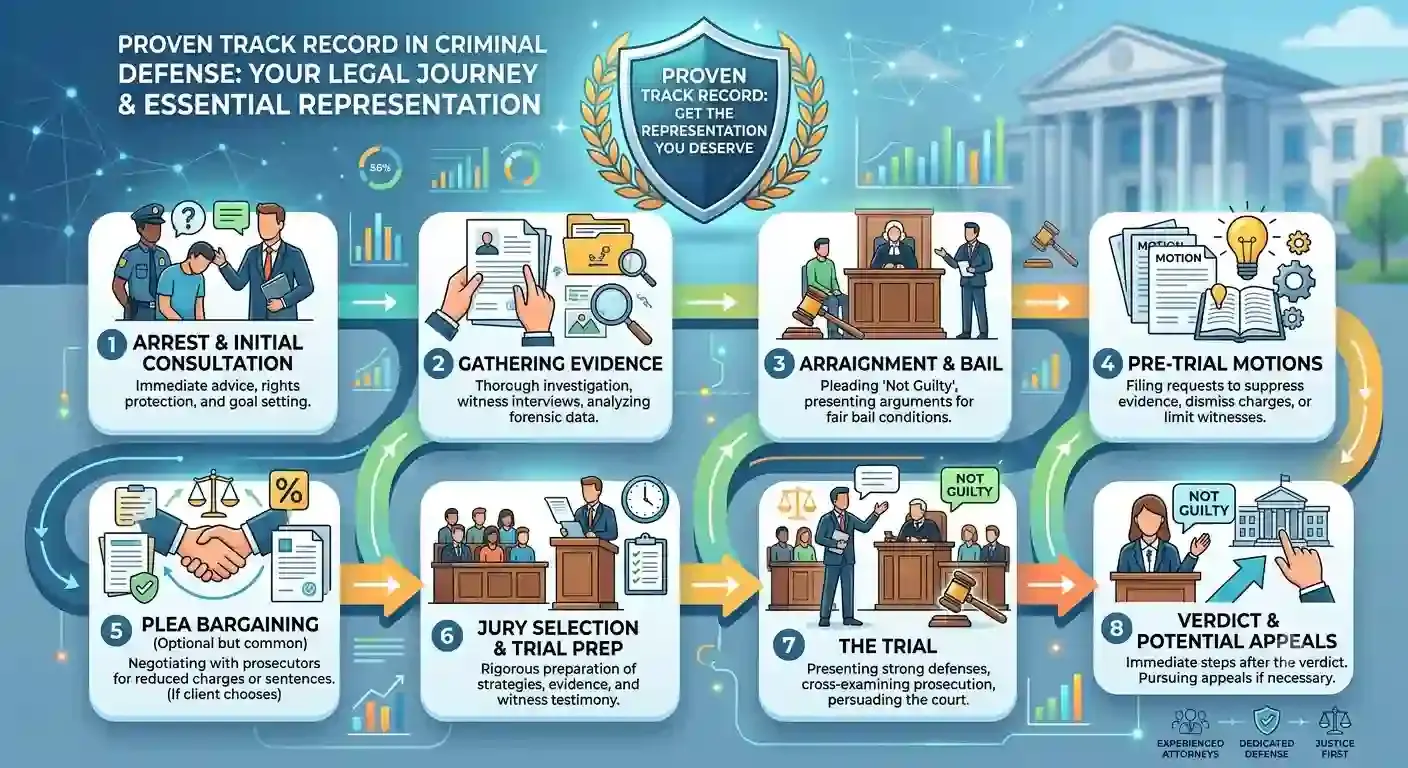
Essential Criminal Defense Services and Legal Support
Every accused person deserves competent legal assistance from the earliest stage. Furthermore, prompt legal advice strengthens defense preparation and procedural compliance. Important criminal defense services include:
- Bail applications.
- Anticipatory bail.
- Police station representation.
- FIR analysis.
- Criminal trial defense.
- Quashing petitions.
- Criminal appeals.
- Revision petitions.
Advocates also review witness statements, electronic records, forensic reports, CCTV footage, mobile data, financial documents, and documentary evidence. Early legal intervention frequently prevents unnecessary complications. The following table summarizes common criminal matters:
| Criminal Issue | Competent Forum | Available Remedy |
|---|---|---|
| Arrest | Magistrate Court | Bail |
| FIR Registration | High Court | Quashing Petition |
| Economic Offence | Special Court | Trial Defense |
| Cybercrime | Magistrate Court | Criminal Defense |
| Cheating | Sessions Court | Bail and Trial |
Effective legal representation improves procedural fairness while protecting liberty throughout investigation, trial, appeal, and post-conviction proceedings.
Common Criminal Legal Issues and Available Remedies
Criminal allegations require immediate legal assessment before interacting with investigating authorities. Therefore, experienced advocates evaluate facts, evidence, and procedural compliance from the beginning. Frequent criminal issues include false implication, unlawful arrest, illegal detention, financial fraud, cybercrime allegations, domestic disputes, assault, criminal intimidation, theft, breach of trust, forgery, corruption allegations, and corporate offences. Concerned authorities include local Police Stations, Crime Branch, Cyber Crime Cells, Economic Offences Wing, Central Bureau of Investigation, Enforcement Directorate, and Special Investigation Agencies where applicable. Available remedies include anticipatory bail, regular bail, discharge applications, quashing petitions, criminal revisions, statutory appeals, writ petitions, compounding where legally permissible, and acquittal after trial. Strong defense strategy supported by the Bharatiya Nyaya Sanhita, Bharatiya Nagarik Suraksha Sanhita, Bharatiya Sakshya Adhiniyam, and constitutional protections significantly improves legal outcomes.
Strategic Criminal Defense Before Courts and Investigating Authorities
Effective Representation During Investigation and Trial Proceedings
Criminal investigations require careful legal planning and timely intervention. Moreover, advocates protect accused persons from procedural violations during police actions. The Bharatiya Nagarik Suraksha Sanhita, 2023 establishes important safeguards concerning arrest, investigation, remand, and trial procedures. Therefore, legal representation becomes essential during questioning, evidence collection, and court appearances. Criminal lawyers examine FIR contents, police records, witness statements, forensic materials, electronic evidence, and prosecution claims. Additionally, defense teams identify contradictions and constitutional violations affecting the case. Courts consider evidence quality, investigation fairness, and legal compliance before deciding matters. Effective advocacy assists clients before Magistrate Courts, Sessions Courts, Special Courts, High Courts, and the Supreme Court. Consequently, professional defense strategy protects reputation, employment, family interests, and personal freedom throughout criminal proceedings.
Bail, Appeals, and Constitutional Legal Remedies
Bail and appellate remedies provide important protections within criminal justice systems. Furthermore, experienced advocates prepare applications according to case facts and legal principles. Common remedies include:
- Anticipatory Bail before arrest.
- Regular Bail after custody.
- Default Bail for procedural violations.
- Discharge Applications before trial.
- Quashing Petitions before High Courts.
- Criminal Appeals against convictions.
- Revision Petitions against orders.
- Writ Petitions for constitutional violations.
- Compounding applications where permitted.
- Acquittal claims during trial.
The appropriate forum depends upon offence category, jurisdiction, court authority, and statutory provisions. Therefore, accurate legal assessment prevents procedural delays. Advocates also challenge illegal investigation methods and protect fundamental rights under constitutional principles. Effective representation improves opportunities for favorable outcomes through lawful remedies.
Evidence Analysis and Defense Strategy
Strong criminal defense depends upon detailed evidence evaluation and strategic preparation. Moreover, the Bharatiya Sakshya Adhiniyam, 2023 guides modern evidence assessment. Defense lawyers examine:
- Witness credibility.
- Documentary evidence.
- Electronic records.
- Medical reports.
- Forensic materials.
- CCTV recordings.
- Financial transactions.
- Digital communications.
- Police procedures.
- Investigation reports.
The following table explains defense approaches:
| Evidence Issue | Defense Approach | Legal Remedy |
|---|---|---|
| False Witness Statement | Cross Examination | Acquittal Defense |
| Illegal Search | Constitutional Challenge | Exclusion Request |
| Weak Evidence | Trial Strategy | Discharge |
| Digital Evidence Error | Technical Review | Objection |
| Procedural Violation | Court Application | Appropriate Relief |
Additionally, lawyers identify gaps in prosecution evidence while presenting legally supported arguments. Proper evidence analysis creates effective defense strategies before criminal courts and appellate forums. Professional assistance ensures clients receive fair representation throughout every stage of litigation.
Why Ask Advocates Law Chamber Provides Trusted Criminal Defense
Experienced Advocacy for Protecting Client Rights
Ask Advocates Law Chamber provides focused criminal defense services for individuals, professionals, businesses, and organizations facing criminal allegations. Moreover, experienced advocates develop strategies based on facts, evidence, and applicable laws. The firm assists clients in bail matters, FIR disputes, criminal trials, police investigations, cybercrime cases, financial offences, domestic disputes, economic offences, and appellate proceedings. Lawyers represent clients before Police Stations, Magistrate Courts, Sessions Courts, Special Courts, High Courts, and the Supreme Court. Additionally, the firm examines investigation records, prepares defense documents, challenges unlawful actions, and protects constitutional rights. Timely legal support reduces procedural risks and improves decision-making during stressful criminal proceedings. Professional representation also helps clients understand available remedies, court procedures, evidence requirements, and legal options under BNS, BNSS, and BSA. Strategic advocacy protects liberty, reputation, and future interests.
Practical Steps After Facing Criminal Allegations
Immediate action improves defense preparation after receiving criminal allegations. Furthermore, careful decisions prevent unnecessary legal complications. Follow these important steps:
- Contact a criminal defense advocate.
- Avoid unnecessary statements.
- Preserve relevant evidence.
- Collect legal documents.
- Understand charges.
- Attend court proceedings.
- Follow bail conditions.
- Maintain communication records.
- Avoid witness interference.
- Respect investigation procedures.
Accused persons should avoid delays because early legal advice strengthens case preparation. Consequently, advocates can examine FIRs, evidence, investigation methods, and available remedies effectively. Proper legal guidance ensures compliance with criminal procedures while protecting fundamental rights. Professional defense representation supports clients during investigation, trial, appeal, and post-conviction stages.
Frequently Asked Questions
Q1. Why is criminal defense representation important?
Answer: Criminal defense lawyers protect legal rights, challenge improper procedures, analyze evidence, and provide representation before police authorities and criminal courts.
Q2. Can an advocate help before FIR registration?
Answer: Yes. Legal advice before FIR registration helps prevent procedural mistakes and allows preparation for possible investigation or court proceedings.
Q3. What is the difference between bail and anticipatory bail?
Answer: Bail applies after arrest, while anticipatory bail protects individuals from arrest when they reasonably fear criminal detention.
Q4. Which laws govern criminal cases in India?
Answer: Criminal matters follow BNS, BNSS, and BSA, along with constitutional protections and applicable special laws.
Q5. Can High Courts cancel or quash criminal proceedings?
Answer: Yes. High Courts may exercise inherent and constitutional powers in appropriate cases involving legal defects or abuse of process.
Q6. How can Ask Advocates Law Chamber assist criminal cases?
Answer: The firm provides defense strategy, bail assistance, trial representation, evidence analysis, appeals, and legal guidance before criminal justice forums.
Read More
- Trusted Criminal Defense Lawyers: Protecting Your Freedom and Future
- Your Rights Protected: Aggressive Legal Defense in Criminal Cases
- Assertive Defense Strategies: Premier Criminal Law Firm at Your Service
- Innovate with Confidence: Tailored Legal Solutions for Intellectual Property
- Maximize Your IP Assets: Legal Support for Trademarks, Patents, and Copyrights
- Ministry of Home Affairs (MHA), Government of India