

Introduction
Government regulations affect property, licences, businesses, employment, taxation, public services, and civic rights. Administrative decisions can also create serious disputes when authorities exceed statutory powers. Therefore, affected individuals and organisations need timely legal analysis before taking further action. Ask Advocates Law Chamber provides legal support for administrative matters involving government departments and public authorities. The practice can assist with notices, representations, statutory appeals, writ petitions, and regulatory disputes. Moreover, administrative litigation requires careful attention to jurisdiction, limitation, evidence, and available remedies. Indian administrative law also operates alongside constitutional principles and specialised statutes. The Code of Civil Procedure, 1908 continues governing civil procedure where applicable. Meanwhile, BNS, BNSS, and BSA govern contemporary criminal law and evidence matters. Chennai matters may involve the Collectorate, Corporation, Revenue authorities, police, and specialised departments.
Understanding Administrative Regulation And Government Authority
Scope Of Administrative Law In India
Government Decisions And Statutory Powers
Identifying The Legal Source Of Administrative Power
Administrative authorities must generally act within powers granted by legislation, rules, notifications, and delegated instruments. A legal review therefore begins by identifying the source of authority. Lawyers examine the enabling statute and relevant subordinate legislation. They also examine circulars, government orders, departmental manuals, and published notifications. This approach helps determine whether officials followed the required statutory procedure. Furthermore, it helps identify jurisdictional defects before litigation begins. Common disputes involve licences, permits, registrations, approvals, inspections, penalties, and departmental decisions. Revenue decisions may concern land records, mutation, classification, acquisition, or government property. Municipal disputes may involve building permissions, trade licences, zoning decisions, and civic enforcement. Regulatory disputes may involve taxation, electricity, transport, environment, or commercial activities. Therefore, administrative legal counsel must understand both substantive law and procedural safeguards. A precise statutory analysis can identify available appeals, review mechanisms, and judicial remedies.
Natural Justice And Fair Administrative Procedure
Natural justice remains important when administrative decisions affect legal rights or legitimate interests. Decision makers may need to provide notice before imposing adverse consequences. They may also need to provide reasonable opportunity for affected parties to respond. An unbiased decision maker remains another important procedural principle. However, requirements vary according to statutory language and circumstances. Legal counsel therefore examines the governing statute before asserting procedural violations. A defective hearing can sometimes support a challenge against an administrative order. Similarly, failure to consider relevant material may affect the legality of an administrative decision. Lawyers can examine whether authorities considered submitted documents and relevant representations. They can also assess whether reasons adequately explain the decision. Consequently, legal review should distinguish procedural unfairness from disagreement with governmental policy. Courts generally examine legality, jurisdiction, procedural fairness, and constitutional limits. The appropriate remedy depends upon the authority involved and available statutory mechanisms.
Administrative Discretion And Abuse Of Power
Administrative discretion allows officials to apply statutory standards to individual circumstances. However, discretion does not create unlimited governmental power. Authorities must generally remain within statutory purposes and relevant legal constraints. An order may become vulnerable when officials consider irrelevant factors. Similarly, failure to consider relevant factors can create legal difficulties. Discretionary decisions may also face scrutiny when they appear arbitrary or procedurally defective. Article 14 provides an important constitutional framework against arbitrary state action. Legal counsel can therefore analyse the decision-making record and statutory objectives. The lawyer may request relevant records through appropriate lawful procedures. Moreover, written representations can clarify factual errors before litigation begins. This approach sometimes resolves disputes without immediate court proceedings. If administrative action remains unlawful, appropriate judicial remedies may become necessary. Depending on circumstances, remedies can include mandamus, certiorari, prohibition, declaration, or other suitable relief. Each remedy requires careful jurisdictional assessment.
Regulatory Departments And Jurisdictional Challenges
Chennai Government Departments And Authorities
Revenue And Land Administration Disputes
Revenue administration frequently generates disputes involving land records, classifications, boundaries, mutations, and government orders. Chennai District administration includes revenue divisions, taluks, and several administrative sections. The Collectorate handles land matters and several other district-level functions. Lawyers can examine patta records, survey documents, registration records, proceedings, and revenue orders. They can also analyse notices issued by Tahsildars, Revenue Divisional Officers, or Collectorate authorities. Affected parties should preserve original documents and certified copies whenever possible. Furthermore, each order should be checked for appeal or revision provisions. A representation may correct factual mistakes when the authority retains jurisdiction. However, a statutory appeal may become necessary after a final adverse order. Writ jurisdiction may become relevant when public authorities act without lawful authority. The appropriate forum depends upon the governing statute and factual circumstances. Therefore, legal advice should identify the decision maker before selecting a remedy.
Municipal, CMDA, And Civic Regulatory Matters
Municipal and planning disputes may involve building permissions, zoning, demolition notices, licences, and development restrictions. Authorities may exercise powers under municipal, planning, environmental, and local governance legislation. Chennai matters can involve the Greater Chennai Corporation and planning authorities. Legal counsel should identify the precise notice, order, and statutory provision involved. Affected parties should avoid relying solely upon oral assurances from officials. Instead, written communications provide a clearer record for future legal proceedings. Lawyers can review sanctioned plans, permissions, inspection reports, and correspondence. They can also examine whether authorities provided appropriate notice before coercive action. Where an appeal exists, counsel can prepare a detailed statutory challenge. Where jurisdictional defects exist, constitutional remedies may also require consideration. Courts can examine legality without replacing every administrative decision with their own view. Therefore, the pleadings should identify specific legal defects rather than broad dissatisfaction. This focused approach strengthens clarity and reduces unnecessary procedural complications.
Police And Regulatory Enforcement Issues
Administrative matters can sometimes overlap with police action and regulatory enforcement. Such situations may involve inspections, complaints, notices, seizures, permissions, or alleged regulatory violations. The BNS and BNSS now form part of India’s contemporary criminal law framework. The BSA also governs evidence under the new legislative framework. Lawyers must therefore distinguish administrative action from criminal investigation. A departmental notice does not automatically establish criminal liability. Similarly, police involvement does not eliminate available administrative remedies. Chennai has numerous police stations across its metropolitan zones. Official Tamil Nadu Police material lists stations including Puliantope, Otteri, Vyasarpadi, Basin Bridge, MKB Nagar, and others. The correct police station depends upon territorial jurisdiction and the nature of the complaint. Therefore, parties should verify the current station jurisdiction before submitting representations or complaints. Legal counsel can coordinate administrative and criminal-law strategies where both processes overlap.
Legal Review Of Government Notices And Orders
Challenging Unlawful Administrative Decisions
Government Notices And Regulatory Show-Cause Proceedings
Preparing A Legally Sound Notice Response
A government notice requires a structured response rather than an emotional explanation. Counsel should first identify the issuing authority and statutory provision. The response should then address every allegation using supporting documents. Dates, reference numbers, licences, permissions, and earlier communications should remain consistent. Lawyers can also identify jurisdictional objections when the issuing authority lacks legal power. Procedural defects should be stated separately from factual explanations. Furthermore, parties should preserve proof of submission and acknowledgement. A detailed response may prevent unnecessary escalation into enforcement proceedings. However, silence can create additional procedural risks when statutes prescribe response periods. Therefore, deadlines require immediate attention after receiving any government notice. The response may also request inspection of relied-upon records where legally appropriate. If the authority later passes an adverse order, the response becomes part of the record. Consequently, careful drafting can support later appellate or judicial review proceedings.
Interim Protection And Stay Remedies
Government enforcement can sometimes create immediate consequences before a dispute receives final adjudication. Examples include sealing, demolition, suspension, cancellation, recovery, attachment, or licence restrictions. Legal counsel can assess whether interim protection is legally available. A statutory authority may possess its own stay or suspension mechanism. Otherwise, an appellate body or constitutional court may provide suitable interim relief. The applicant must establish a legally sustainable challenge and explain the urgency. Courts may also consider balance of convenience and potential public consequences. Therefore, applications should present precise facts supported by documents. Lawyers can identify the challenged order, implementation stage, and immediate prejudice. They can also explain why ordinary statutory remedies may or may not provide timely protection. Interim relief remains discretionary and depends upon the facts and governing law. Accordingly, legal counsel should avoid promising a particular result. Instead, counsel should develop the strongest legally supportable grounds.
Writ Jurisdiction Before Constitutional Courts
Article 226 gives High Courts significant jurisdiction over public authorities and statutory bodies. The Madras High Court exercises constitutional jurisdiction over matters arising within its territorial framework. Writ proceedings can address jurisdictional errors, procedural violations, and unlawful administrative action. Common writ remedies include mandamus, certiorari, prohibition, and related constitutional relief. However, the availability of an alternative statutory remedy can affect writ maintainability. Courts may still consider writ proceedings in appropriate exceptional circumstances. Legal counsel must therefore analyse the statutory appeal structure before filing. A writ petition should clearly identify the public authority and challenged action. It should also explain the legal grounds and relief sought. Documentary evidence should support material factual assertions wherever possible. Furthermore, limitation and delay require careful consideration. A writ petition should not become a substitute for every statutory appeal. Therefore, strategic forum selection remains central to effective administrative litigation.
Appeals, Tribunals, And Judicial Review
Specialised Forums For Administrative Disputes
Central Administrative Tribunal And Service Matters
Service disputes involving covered public employment may fall within administrative tribunal jurisdiction. The Administrative Tribunals Act, 1985 provides the statutory framework for administrative tribunals. It addresses disputes concerning recruitment and service conditions within its specified scope. Legal counsel should first determine whether the employee falls within tribunal jurisdiction. The applicable service rules must then be identified and examined. Typical issues include promotion, seniority, disciplinary action, recruitment, pension, and service benefits. Lawyers can review departmental orders, charge memoranda, inquiry records, and representations. They can also examine whether mandatory procedures were followed. Tribunal proceedings require appropriate pleadings and supporting documents. Affected employees should preserve appointment orders, service records, and departmental communications. Furthermore, limitation periods require early attention. Depending upon the dispute, further judicial review may become available according to applicable law. Therefore, tribunal strategy should begin with jurisdictional analysis rather than assumptions.
Tax And Regulatory Tribunal Proceedings
Many regulatory disputes proceed through specialised appellate authorities or tribunals. Tax disputes may involve assessment orders, refunds, classifications, penalties, and input-credit issues. Environmental disputes may involve permissions, pollution controls, and regulatory directions. Corporate and financial disputes may also involve specialised adjudicatory forums. Each forum operates under its own enabling statute and procedural framework. Consequently, counsel should identify the exact order before selecting an appellate route. The availability of an appeal often depends upon the issuing authority and governing legislation. Lawyers can calculate limitation periods and identify required deposits or procedural conditions. They can also prepare grounds addressing jurisdiction, interpretation, evidence, and procedural fairness. Where electronic records matter, counsel should preserve reliable copies and relevant metadata. The BSA provides the current statutory evidence framework for applicable proceedings. A forum-specific strategy can prevent avoidable jurisdictional objections. Therefore, specialised administrative litigation requires both substantive and procedural expertise.
Civil Courts And The Code Of Civil Procedure
Civil courts continue handling appropriate civil disputes under applicable jurisdictional principles. The Code of Civil Procedure, 1908 provides the general procedural framework for civil judicature. However, statutory schemes can restrict ordinary civil jurisdiction in particular regulatory disputes. Counsel must therefore examine the governing enactment before filing a civil suit. Potential proceedings can include declarations, injunctions, recovery claims, and other civil remedies. Lawyers should also assess whether a statutory authority possesses exclusive decision-making powers. A civil court may not provide the appropriate route where legislation creates a specialised appellate mechanism. Furthermore, constitutional remedies may operate differently from ordinary civil litigation. The pleadings should therefore explain the legal basis for jurisdiction. Evidence should include relevant orders, agreements, official correspondence, and certified records. Procedural compliance also remains essential for summons, pleadings, evidence, and interim applications. Proper forum selection can reduce delay and prevent dismissal on jurisdictional grounds.
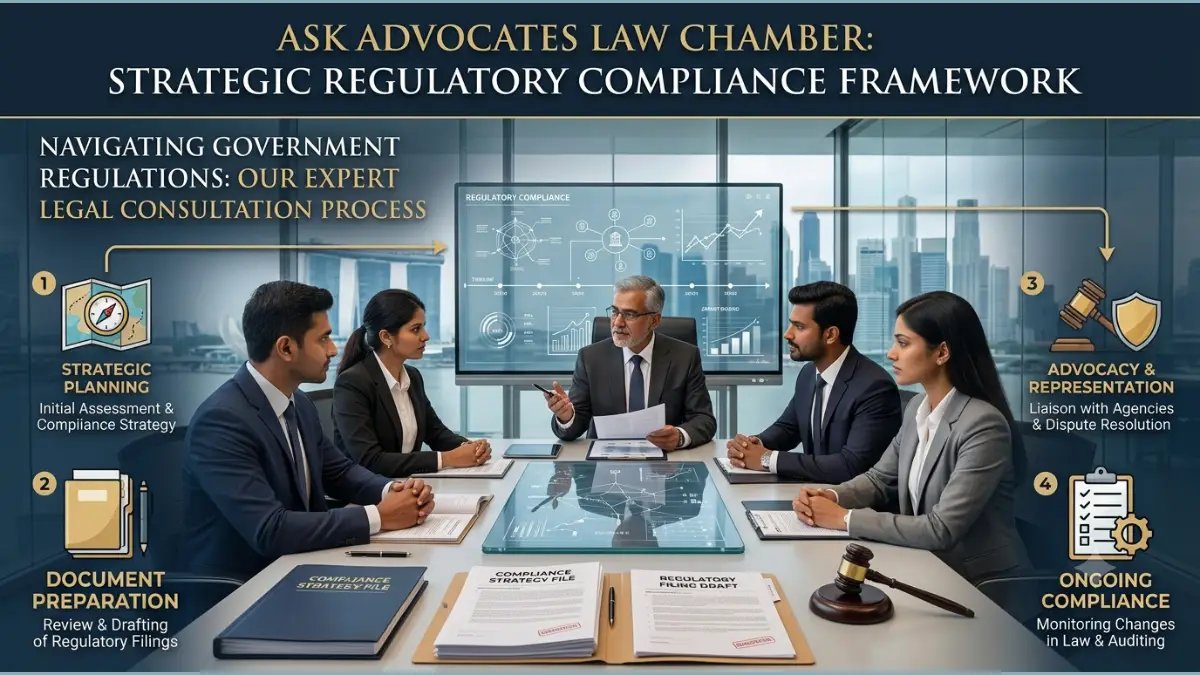
Strategic Administrative Legal Support And Remedies
Building A Strong Regulatory Dispute Strategy
Evidence, Records, And Government Communications
Creating A Complete Administrative Case File
A complete administrative case file helps lawyers understand the dispute quickly and accurately. The file should contain notices, orders, applications, acknowledgements, replies, and supporting documents. It should also include relevant licences, registrations, certificates, agreements, and government communications. Chronological organisation helps identify missed deadlines and inconsistent administrative actions. Lawyers can create a timeline showing each material event and authority communication. This method also helps distinguish facts from assumptions and allegations. Where electronic communications matter, original emails and electronic files should remain preserved. The BSA framework makes evidence handling especially important in applicable legal proceedings. Parties should avoid altering original files or relying upon incomplete screenshots. Certified copies may become useful when challenging official records. Furthermore, RTI procedures may assist in obtaining information where legally available. Counsel can then assess whether the administrative record supports an appeal or writ. Strong documentation often provides the foundation for effective administrative advocacy.
Government Records And RTI Assistance
Access to government records can materially affect administrative disputes. The Right to Information framework can provide a lawful mechanism for seeking eligible public information. However, RTI does not replace statutory appeals or judicial remedies. Lawyers can identify information necessary to establish procedural or factual issues. Requests should remain precise and connected to identifiable public records. Broad or speculative requests may produce incomplete or less useful responses. Counsel can also assess exemptions and third-party information restrictions before framing applications. Official district administration portals provide access to several citizen services and administrative information. Lawyers can compare disclosed records with notices and administrative orders. Discrepancies may reveal factual mistakes or incomplete consideration of relevant materials. However, legal strategy should not depend upon obtaining every requested record. Existing documents may already establish the essential legal grounds. Therefore, RTI should operate as one component of a broader administrative litigation strategy.
Departmental Representation And Pre-Litigation Resolution
A well-drafted representation can sometimes resolve an administrative dispute before litigation begins. The representation should identify the authority, order, legal issue, and requested relief. Supporting documents should appear in an indexed and understandable sequence. Legal grounds should remain concise, specific, and connected to statutory requirements. Counsel can request reconsideration, correction, withdrawal, or lawful disposal where appropriate. However, a representation should not unnecessarily replace a mandatory statutory appeal. Lawyers should therefore calculate applicable limitation periods before pursuing administrative correspondence. A representation may also preserve the party’s objections for later proceedings. Authorities should receive clear copies of relevant documents and earlier communications. Where urgent harm exists, counsel may combine representation with appropriate interim proceedings. This approach helps avoid unnecessary procedural delay. Nevertheless, each matter requires individual assessment because administrative statutes differ considerably. Legal counsel can therefore design a pre-litigation strategy based on jurisdiction, urgency, and available remedies.
Remedies Against Unlawful Government Action
Judicial And Statutory Relief
Mandamus, Certiorari, And Prohibition
Constitutional writ remedies address different forms of public-law grievance. Mandamus may seek performance of a public legal duty where applicable. Certiorari can challenge certain unlawful decisions of public authorities. Prohibition may restrain an authority from proceeding beyond lawful jurisdiction. Courts assess each remedy according to constitutional principles and case circumstances. Therefore, pleadings must identify the specific legal duty or jurisdictional defect. A general allegation of unfair treatment may not sufficiently establish a writ claim. Lawyers should connect each factual event with the relevant statutory or constitutional ground. They should also identify the precise relief required from the court. Interim applications can address urgent consequences while the main petition remains pending. However, writ jurisdiction involves judicial discretion and established procedural principles. Counsel should therefore assess alternative remedies before recommending constitutional litigation. A carefully framed petition can present the dispute through a clear public-law framework.
Appeals, Revisions, Reviews, And Reconsideration
Statutory appeals provide important remedies against administrative orders. Some statutes also provide revision or review powers to designated authorities. The available remedy depends entirely upon the governing legislation and relevant regulations. Lawyers should identify the appellate authority before the limitation period expires. They should also verify mandatory forms, fees, documents, and procedural requirements. A statutory appeal can address factual, legal, and procedural grounds within its jurisdiction. Revision may focus on jurisdictional or legal irregularities under the applicable statute. Review powers usually operate within narrower statutory or procedural boundaries. Reconsideration may sometimes arise through departmental mechanisms or specific regulations. Therefore, parties should avoid assuming that every authority possesses inherent review power. Counsel can prepare grounds in separate categories for easier adjudication. These categories may include jurisdiction, statutory interpretation, evidence, natural justice, and proportionality. A structured appellate record can improve clarity throughout subsequent proceedings.
Injunctions, Declarations, And Other Civil Remedies
Civil remedies may remain relevant when administrative action affects private rights. Depending upon jurisdiction, parties may seek declarations or injunctions through appropriate civil proceedings. However, statutory exclusions can restrict civil court intervention in certain matters. Lawyers must therefore examine the relevant legislation before selecting this route. An injunction application should explain the legal right requiring protection. It should also establish the immediate risk created by the challenged action. Declarations can clarify legal relationships where the court possesses appropriate jurisdiction. Civil procedure generally requires proper pleadings, evidence, and compliance with procedural requirements. The Code of Civil Procedure remains the principal general procedural statute for civil judicature. Counsel should also assess whether a specialised tribunal provides an exclusive remedy. The chosen forum should match the legal nature of the dispute. Therefore, administrative and civil remedies should be coordinated rather than pursued randomly.
Choosing Legal Counsel For Administrative Matters
Practical Support For Individuals And Organisations
Legal Support For Businesses And Regulated Entities
Businesses regularly interact with licensing, taxation, municipal, labour, environmental, and regulatory authorities. Regulatory uncertainty can affect operations, investments, contracts, and commercial planning. Legal counsel can review regulatory requirements before businesses submit applications or respond to notices. Preventive advice can reduce avoidable disputes with government departments. Lawyers can also conduct compliance reviews for permits, registrations, renewals, and statutory filings. When disputes arise, counsel can prepare representations, appeals, and litigation documents. Businesses should maintain central records for all government permissions and communications. This practice creates an accessible compliance history for future regulatory reviews. Counsel can also advise management about escalation risks and available legal remedies. Furthermore, regulatory decisions may involve multiple authorities with overlapping functions. Lawyers can map those authorities and identify the primary decision maker. This approach supports efficient communication and reduces inconsistent responses. Therefore, administrative legal support can operate both defensively and preventively.
Individual Rights And Public Service Grievances
Individuals may face administrative disputes involving certificates, benefits, licences, land records, pensions, permits, or public services. Such matters can cause significant practical consequences when authorities delay or reject lawful requests. Legal counsel can examine the relevant statutory duty and administrative procedure. A written representation may request appropriate action from the competent authority. If authorities fail to act, mandamus may become a possible constitutional remedy. If an adverse order exists, counsel can examine appeal or revision mechanisms. Individuals should preserve acknowledgement receipts, application numbers, and official communications. These records can establish when an application was submitted and how authorities responded. Moreover, applicants should avoid relying exclusively upon informal assurances. Written records provide clearer evidence for future legal proceedings. Where police involvement exists, counsel should separately examine criminal and administrative dimensions. The BNS and BNSS may apply to criminal allegations, while administrative law governs the public decision.
Government Department Coordination And Regulatory Compliance
Administrative disputes often involve more than one department or public authority. For example, development matters may involve planning, revenue, municipal, and environmental authorities. Business operations may involve licensing, taxation, labour, and local regulatory departments. Chennai District administration lists several departments and specialised offices. Legal counsel can identify each authority’s statutory function and decision-making power. This prevents applicants from directing requests to an inappropriate department. Lawyers can also prepare coordinated submissions where multiple approvals remain connected. Regulatory compliance reviews can identify missing permissions before enforcement begins. Where notices have already arrived, counsel can prioritise urgent deadlines. A legal matrix can track each authority, order, deadline, remedy, and responsible action. This system improves internal coordination for companies and institutions. Furthermore, it creates a clear record for later appellate or judicial proceedings. Effective administrative counsel therefore combines legal interpretation with practical regulatory management.
FAQs On Government Regulations And Administrative Legal Support
How Can I Challenge An Unlawful Government Order?
You can examine statutory appeals, revisions, reviews, or writ remedies. Article 226 may provide High Court relief against unlawful public action, subject to applicable principles.
Which Court Handles Administrative Disputes In Chennai?
The appropriate forum depends upon the dispute and governing statute. The Madras High Court handles constitutional writ matters within its jurisdiction.
Can A Government Notice Be Challenged Before Replying?
Legal advice should be obtained quickly. A timely response may preserve objections and evidence, while suitable interim remedies may address urgent enforcement.
Does CPC Apply To Every Administrative Dispute?
No. The CPC governs civil procedure, but specialised statutes can create separate remedies. Forum selection depends upon the applicable legislation and dispute.
Can Police Action And Administrative Proceedings Continue Together?
They can involve separate legal processes when the facts support both. Counsel should distinguish criminal investigation from administrative enforcement and coordinate responses.
What Remedies Exist Against Administrative Inaction?
Available remedies may include representation, statutory appeal, revision, and writ proceedings. Mandamus may be considered where a public authority fails performing a legal duty.
Key Legal Remedies And Forum Checklist
| Issue | Potential Legal Route |
|---|---|
| Government notice | Written reply, representation, statutory response |
| Unlawful administrative order | Appeal, revision, review, writ petition |
| Administrative inaction | Representation, mandamus |
| Jurisdictional error | Writ petition, statutory challenge |
| Procedural unfairness | Appeal, review, writ proceedings |
| Licence cancellation | Statutory appeal, interim stay |
| Land administration dispute | Revenue appeal, revision, writ |
| Municipal enforcement | Statutory appeal, injunction, writ |
| Service dispute | Departmental remedy, administrative tribunal |
| Criminal-regulatory overlap | Separate criminal and administrative strategy |
| Urgent coercive action | Interim protection or stay |
| Government records | RTI request, certified records, lawful disclosure mechanisms |
Why Ask Advocates Law Chamber Can Assist
Ask Advocates Law Chamber can support clients facing complex administrative and regulatory questions. The legal approach should begin with jurisdiction, statutory authority, facts, evidence, and available remedies. Counsel can review government notices, administrative orders, departmental communications, and regulatory records. The team can also assist with representations, statutory appeals, writ petitions, and related proceedings. Administrative disputes require careful timing because limitation periods can affect available remedies. Moreover, government action may involve several departments and overlapping statutory powers. A coordinated legal strategy can identify the responsible authority and appropriate forum. Chennai matters may involve the Collectorate, municipal bodies, police authorities, planning agencies, and specialised departments. The firm’s administrative legal support can therefore address both immediate disputes and preventive compliance needs. Clients should provide complete documents and accurate factual information during consultation. Ultimately, each administrative dispute requires an individual assessment under its governing legislation. This article provides general legal information and does not replace matter-specific legal advice.